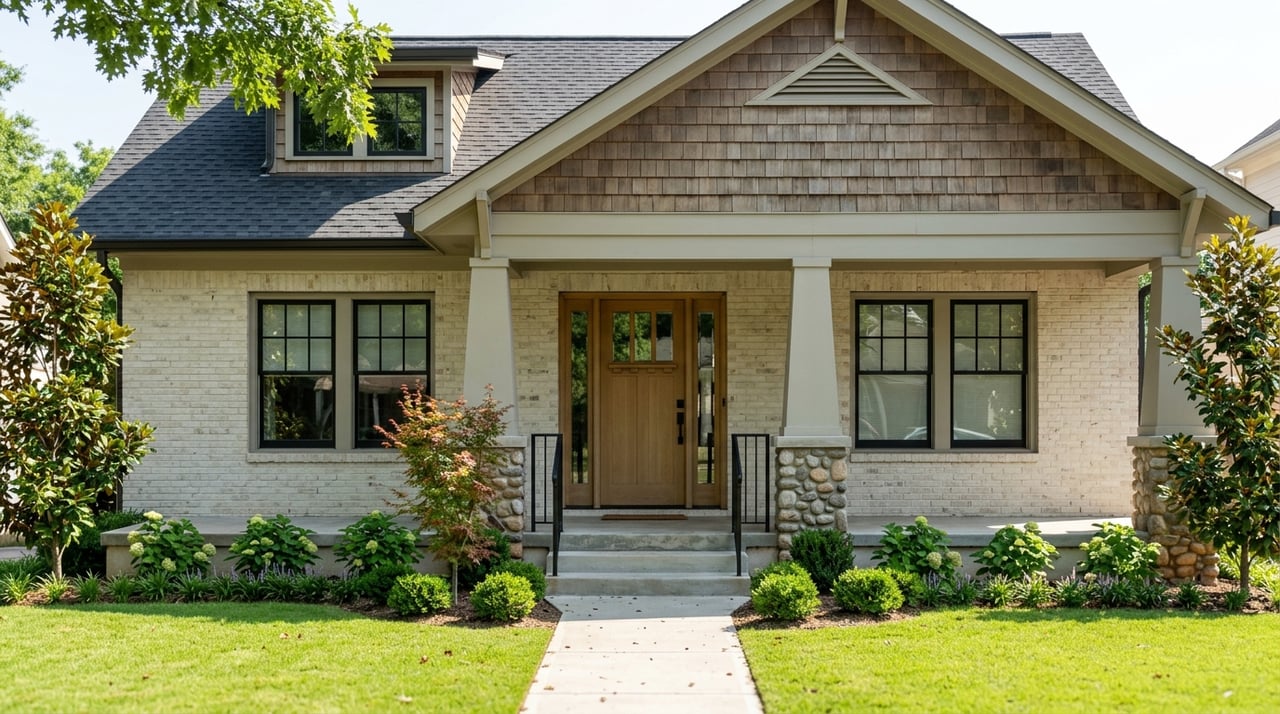
Trying to choose between a historic home and a newer one in Roswell? It is a common question, and the answer is not just about age. In Roswell, this choice often comes down to lifestyle, maintenance, location, and how much flexibility you want with your home over time. If you are weighing charm against convenience, this guide will help you sort through the tradeoffs and decide which path fits you best. Let’s dive in.
Why Roswell Makes This Choice Unique
Roswell is especially interesting for this decision because the city has a well-defined historic core and a long pattern of later subdivision growth. The city says its Historic District covers 640 acres and was designated on the National Register in 1974. At the same time, Roswell’s planning documents show newer growth and redevelopment activity are focused more on corridors and areas outside the historic core.
That means your decision is often less about old versus new in general and more about where and how you want to live in Roswell. Some buyers are drawn to the preserved character near downtown. Others prefer the layout, systems, and predictability that usually come with later-built homes.
Where Historic and Newer Homes Are Found
Roswell’s community assessment says the largest concentration of historic residences is along Canton Street north of downtown. In that area, you will find many homes from the 1910s through the 1930s, including Craftsman bungalows as well as Victorian and Neoclassical Revival houses.
Newer housing patterns look different. The same assessment says Roswell’s first residential subdivisions appeared around the historic core in the 1950s, followed by more development farther out in the 1960s and 1970s. Today, the city’s planning documents continue to separate preserved established neighborhoods from corridor-focused growth areas like Highway 9, Parkway Village, and Holcomb Bridge Road.
What Historic Homes Offer
Historic homes in Roswell often appeal to buyers who want distinctive architecture and a stronger sense of place. If you are drawn to original details, established streetscapes, and homes that feel tied to the city’s story, the historic core may be a strong fit.
In Roswell, Craftsman-style homes are a notable part of that story. The city’s community assessment specifically identifies 1910s to 1930s Craftsman bungalows in the historic area. These homes are not just visually appealing. They are part of Roswell’s documented housing history.
Historic character and walkability
One of the biggest draws is proximity to downtown Roswell. City materials place some historic homes near Canton Street, shops, restaurants, and Town Square. For buyers who value being close to local destinations and enjoying a neighborhood with visible architectural character, that can be a major advantage.
More oversight for exterior changes
Character usually comes with added rules. In Roswell’s Historic District, the Historic Preservation Commission reviews exterior material changes, new construction, demolition, moving buildings, and other exterior features. The city also issues public notices for demolition of historic structures in the district.
If you buy a historic home there, you should expect more planning before making exterior updates. That does not mean you cannot improve the property. It means the process may involve approvals that you would not face in many newer-home settings.
Maintenance and budgeting matter more
Older homes often require a different mindset. As a homeowner, you are responsible for repairs and maintenance, and with historic properties, that can include preserving older materials or addressing aging systems over time.
There may be financial upside for some owners. Georgia’s historic-property tax program can offer a preferential assessment for qualifying rehabilitated historic properties that meet state rehabilitation standards. Still, eligibility depends on the property and the work completed, so it is best to treat that as a possible benefit rather than a given.
What Newer Homes Offer
If historic homes are about character and place, newer homes are often about efficiency, convenience, and fewer near-term surprises. In Roswell, this housing type is usually tied to later subdivision growth or newer redevelopment patterns outside the historic core.
For many buyers, the biggest appeal is a more turnkey experience. Newer homes often come with newer systems, more current layouts, and less immediate maintenance compared with older properties.
Better energy performance
Energy efficiency is one of the clearest advantages of newer construction. According to ENERGY STAR, certified new homes are built to be at least 10% more energy efficient than homes built to minimum code levels. The U.S. Department of Energy also notes that certified efficient new homes must meet rigorous efficiency and performance criteria and be verified by a third party.
That does not mean every newer home will perform the same way. Still, if lower utility use and more modern construction standards are high on your list, newer homes may be worth a close look.
Fewer preservation-specific approvals
Outside the historic district, Roswell’s Building Division reviews residential structures under state building, mechanical, plumbing, and electrical codes, and the city’s Unified Development Code design guidelines apply citywide. In practice, that usually means fewer preservation-specific reviews than you would face with a historic home.
For buyers who want more flexibility with exterior updates or fewer approval steps, that can be a meaningful advantage. It often supports a simpler ownership experience.
A different buying process
New construction can also come with a different purchase structure. Buyers may encounter builder deposits, and it is important to understand contract terms carefully. Using financing and inspection contingencies and comparing mortgage options can help you make a more informed decision instead of assuming a builder’s preferred lender is automatically the best fit.
Historic vs. Newer Homes at a Glance
| Factor | Historic Homes in Roswell | Newer Homes in Roswell |
|---|---|---|
| Typical setting | Near the historic core, especially around Canton Street north of downtown | Later subdivisions and corridor-focused growth areas |
| Main appeal | Architectural character and established setting | Convenience, efficiency, and predictability |
| Exterior changes | Often subject to Historic Preservation Commission review in the district | Typically fewer preservation-specific approvals |
| Maintenance | Usually requires more planning for repairs and updates | Often fewer near-term repair concerns |
| Lifestyle fit | Buyers who value walkability and place-specific character | Buyers who want a more turnkey ownership experience |
How To Decide What Fits You Best
The right choice depends on your priorities, not just the age of the home. Roswell offers both preserved historic fabric and newer-growth environments, and each serves a different kind of buyer.
Choose historic if you value character
A historic home may fit you well if you want:
- Distinctive architecture and older design details
- An established setting near downtown Roswell
- A home with local history and strong visual identity
- The patience to plan around exterior approval processes
- Room in your budget for ongoing maintenance and updates
This path often works best for buyers who see the home itself as part of the lifestyle. If you love the idea of living in a place with architectural personality and are comfortable with extra stewardship, historic homes can be deeply rewarding.
Choose newer if you value ease
A newer home may be the better fit if you want:
- More current systems and construction standards
- Better energy performance potential
- A more predictable maintenance outlook
- Greater simplicity around updates and ownership
- A turnkey feel over architectural individuality
This option often suits buyers who want their home to support daily life with fewer surprises. If convenience and efficiency rank above charm, newer homes may feel like the clearer choice.
Think Long Term, Not Just Right Now
It helps to think beyond your first impression. A historic home may win you over emotionally, but you should also be honest about upkeep, approvals, and the pace of future projects. A newer home may feel simpler today, but make sure it also gives you the location and surroundings you want for the long haul.
In resale terms, these homes often appeal to different buyer pools. Historic homes usually attract buyers who prioritize character and location, while newer homes often appeal to buyers focused on efficiency, current systems, and simpler upkeep. That difference can shape demand, even though it does not guarantee future value one way or the other.
The best decision usually comes from matching the property to your daily habits, budget comfort, and plans for the next several years. In Roswell, that means asking whether you want to live inside the city’s preserved historic fabric or in one of its newer-growth environments.
If you want help comparing neighborhoods, home styles, and long-term fit in Roswell, Dawn Anderson offers thoughtful, hands-on guidance tailored to how you want to live.
FAQs
What makes a historic home different from a newer home in Roswell?
- In Roswell, historic homes are typically found near the historic core and often offer distinctive architecture and closer proximity to downtown, while newer homes are more often tied to later subdivision growth and corridor-area development.
What should you know about updating a historic home in Roswell?
- If the home is inside Roswell’s Historic District, exterior material changes, new construction, demolition, moving buildings, and other exterior features may require review by the Historic Preservation Commission.
Are newer homes in Roswell usually more energy efficient?
- Certified new homes can offer stronger energy performance. ENERGY STAR says certified new homes are built to be at least 10% more energy efficient than homes built to minimum code levels.
Where are Roswell’s historic homes most concentrated?
- Roswell’s community assessment says the largest concentration of historic residences is along Canton Street north of downtown, where many 1910s to 1930s homes are located.
How do you choose between a historic or newer Roswell home?
- Start with your priorities. If you value architectural character, walkability, and an established setting, a historic home may fit better. If you want newer systems, fewer near-term repairs, and a more turnkey experience, a newer home may be the stronger match.
Do newer homes in Roswell have fewer approval requirements for changes?
- Outside the historic district, residential structures are generally reviewed under state building-related codes and citywide design guidelines, which usually means fewer preservation-specific approval steps than a historic home in the district.