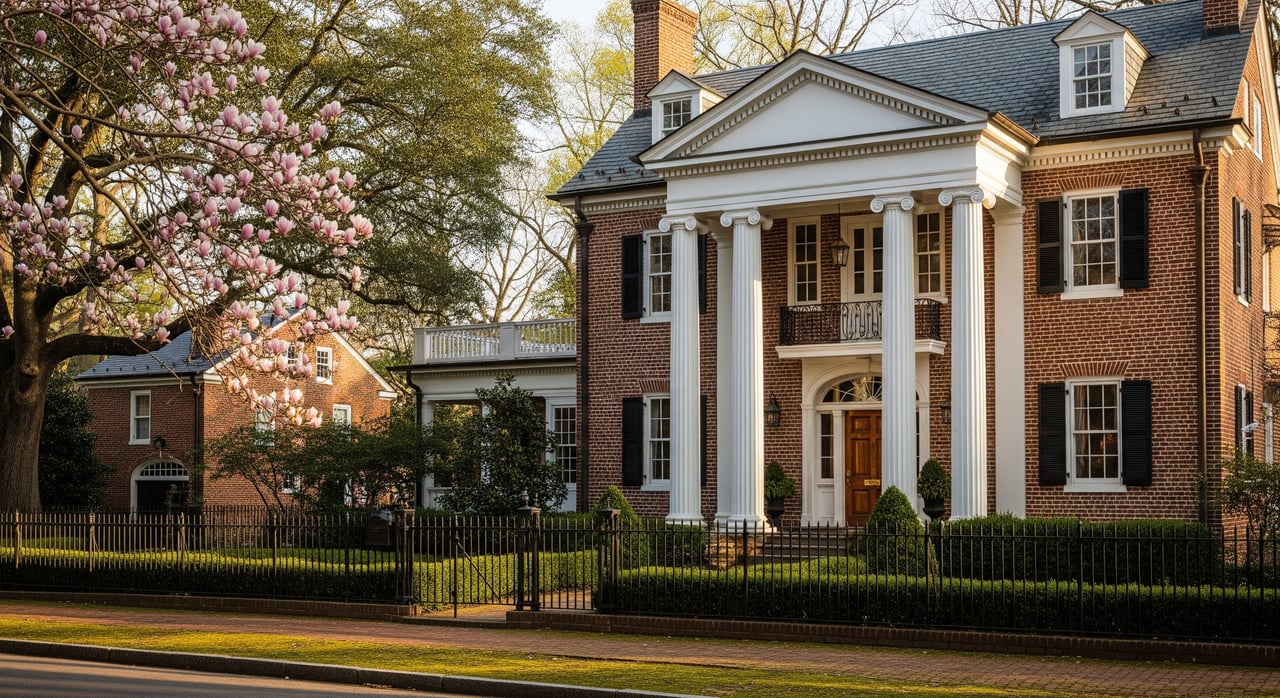
What draws people to Historic Roswell is not just the charming streets and brick storefronts. It is the way your day can shift from a coffee on Canton Street to a quiet walk by the river in minutes. If you are exploring a move, you want a feel for daily life, not just a map. This guide gives you the essentials on neighborhoods, parks, dining, schools, and commute patterns so you can decide if Roswell fits your lifestyle. Let’s dive in.
Where Roswell fits in metro Atlanta
Roswell sits in north Fulton County, about 20 to 25 miles north of downtown Atlanta. It is a true suburb with its own downtown core and a strong connection to the Chattahoochee River corridor. Many residents work across the north metro, while others commute into the city.
Driving is the main way you get around. Access depends on your neighborhood, with GA-9 and links to GA-400 and I-285 shaping most routes. Commute times vary widely at peak hours, so plan your daily schedule with traffic in mind.
Historic heart: Canton Street and landmarks
Historic Downtown Roswell centers on Canton Street and the surrounding blocks. You find restaurants, cafes, small shops, and historic homes within an easy stroll. On any given evening, it feels like a community living room.
Roswell’s preserved sites give the city much of its identity. Notable landmarks include Bulloch Hall, Barrington Hall, and the Archibald Smith Plantation. The Roswell Mill and Vickery Creek area bring it all together with mill ruins, a covered bridge, waterfalls, and wooded trails.
Expect a steady flow of tours, seasonal events, and small cultural programs tied to these venues. Many older homes have been restored, and you will see adaptive reuse across downtown, from historic houses turned into businesses to reimagined mill structures.
Homes and architecture you will see
If you enjoy variety, Roswell delivers. In and around the Historic District, you see antebellum and Greek Revival homes, late 19th and early 20th century bungalows, and Victorian cottages. Move outward and you encounter mid-century ranch homes in established neighborhoods and a broad mix of newer townhomes, subdivisions, and luxury properties.
Buying in a historic zone comes with extra steps. The city uses design guidelines, and exterior changes often require review by a Historic Preservation Commission. If you are considering a historic property, budget time for approvals, check for potential tax incentives tied to qualified rehabilitation work, and prepare for maintenance that is specific to older structures.
Neighborhood types at a glance
- Historic Downtown and near-river streets: Walkable to Canton Street, character homes, smaller lots in some blocks, close to parks and trailheads.
- Established suburban neighborhoods: Mid-century homes, larger yards, and a traditional suburban layout that appeals to many families.
- Newer subdivisions and planned communities: Modern floorplans, HOA amenities like pools and common areas, often on the city’s edges.
- Higher-end and gated enclaves: Larger lots and luxury construction, generally farther from the downtown core.
Outdoor lifestyle on the Chattahoochee
The riverfront shapes daily life in Roswell. The Chattahoochee River National Recreation Area has multiple access points nearby for fishing, kayaking, and quiet walks along the water. Locals head to the river on weekends and often after work when the weather is mild.
Vickery Creek and the Roswell Mill Park area are favorites for short hikes, runs, and photography. Trails weave through the woods and across a photogenic covered bridge with views of a waterfall and mill ruins. City parks add ballfields, playgrounds, and open spaces for casual gatherings and youth sports.
If you live near trail connections, you can bike or walk to river trailheads and downtown. Many neighborhoods still rely on the car for daily errands, but the expanding mix of paths improves access to green space.
Dining, shopping, and community events
Canton Street is the main dining and shopping spine. You can grab a morning pastry, meet friends for dinner, or browse boutiques without moving your car. Across the city, neighborhood centers provide groceries and everyday services so you do not have to travel far for basics.
Arts and culture show up in small venues, historic homes, and community groups. Expect rotating exhibitions, tours, and occasional performances. Roswell also hosts seasonal festivals, farmers markets, outdoor concerts, and family celebrations throughout the year. Event formats can change, so check the city or local visitor resources for current schedules before you go.
Schools and family amenities
Roswell is served primarily by Fulton County Schools, with additional private and parochial options in the area. Many families consider school boundaries as part of their home search, so verify maps, calendars, and current program details through official district sources.
For daily life, you have neighborhood medical clinics, urgent care options, and access to larger hospitals across the north metro and greater Atlanta. City-run programs add youth leagues, pools, community centers, and library services that anchor weekly routines.
Getting around and commuting
Most residents drive. Major roads such as Roswell Road tie into GA-400 and the broader highway network, and your exact route depends on your neighborhood. MARTA rail does not extend into Roswell, though limited regional and express bus options serve some commuters.
Peak-hour traffic can stretch travel times, especially toward I-285 and downtown. If you plan to work across multiple business districts, build in a time buffer and test-drive your route during the exact hours you would commute.
Buyer tips for Historic Roswell
Buying in a character-filled city comes with practical checks. A clear plan makes the process smooth and protects your budget.
- Align lifestyle and location: If walkability is a priority, focus on the Historic Downtown area and near-river streets. For larger lots or community amenities, consider established neighborhoods or newer subdivisions.
- Understand historic-district rules: Exterior changes in designated zones often require review. Ask about design guidelines, permit timelines, and any potential incentives for qualified rehabilitation.
- Inspect for age-related issues: Older homes may need specialist inspections for roofing, foundations, mechanical systems, and potential concerns like termites. Very old structures may require checks for materials common to their era.
- Check floodplain status: Properties near the Chattahoochee River or Vickery Creek can fall within FEMA flood zones. Review maps, ask about past flood history, and factor insurance into your costs.
- Review HOA details: Many newer communities have HOA rules, fees, and amenity maintenance. Confirm restrictions, budgets, and any planned assessments.
- Price positioning and product mix: Roswell often sits at or above the wider Atlanta metro median, with options ranging from cottages and mid-century homes to luxury properties. Consult current MLS or market reports for up-to-date pricing.
Is Roswell a fit for you?
If you want a walkable historic center, river access, and a range of housing styles, Roswell stands out. The trade-offs include car-based commuting in many areas and a market that can be more competitive than some suburbs. For many buyers, the balance of charm, parks, and practical amenities makes Roswell an easy yes.
When you are ready to refine your search, connect with a local advisor who can help you compare neighborhoods, understand preservation guidelines, and spot value in today’s listings. If you want founder-level attention and neighborhood-first strategy, reach out to Dawn Anderson to plan your next step.
FAQs
What is daily life like in Historic Roswell?
- Expect a blend of small-town walkability around Canton Street, easy access to river trails, and suburban convenience for schools, parks, and errands.
Is Roswell walkable for errands near Canton Street?
- The Historic Downtown is pedestrian friendly for dining and shopping, while many residential areas across the city remain car dependent for daily errands.
How does commuting from Roswell to Atlanta work?
- Most residents drive using GA-9 and connectors to GA-400 and I-285, and commute times vary widely during peak hours based on your start and end points.
What should buyers know about historic-district rules in Roswell?
- Designated historic areas use design guidelines, and exterior changes or demolitions often require review by a Historic Preservation Commission before work begins.
Are homes near the Chattahoochee River at flood risk?
- Some properties near the river and Vickery Creek lie in FEMA flood zones, so check maps, ask about flood history, and price insurance into your budget.
What home styles and price positioning can I expect?
- You will see historic homes, bungalows, ranch houses, townhomes, and luxury builds, with Roswell often priced at or above the metro median based on current market conditions.
Which schools serve Roswell, and how do I verify boundaries?
- Roswell is primarily served by Fulton County Schools, and you should confirm current boundary maps, calendars, and program details through official district resources.
What community events happen in Historic Roswell?
- Seasonal festivals, farmers markets, historic home tours, outdoor concerts, and family celebrations are common, with specific dates set by the city’s annual calendar.
Where can I enjoy parks and trails in Roswell?
- Residents frequent the Chattahoochee River National Recreation Area units, Vickery Creek and the Roswell Mill Park, and a network of city parks and multi-use paths.